logo
Home News

company news about UVC LED Structure & Applications: Materials for Stable, Long-Lasting UV Disinfection

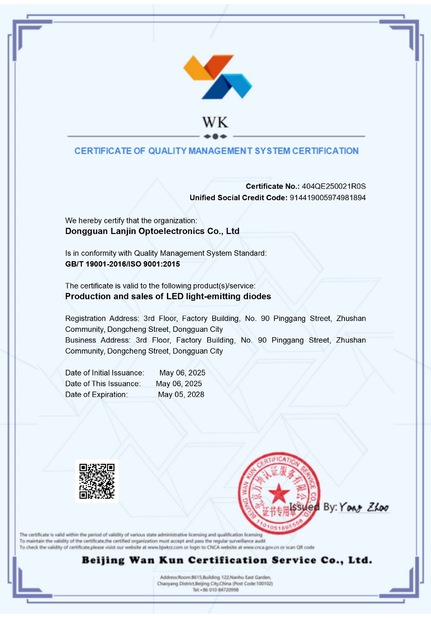
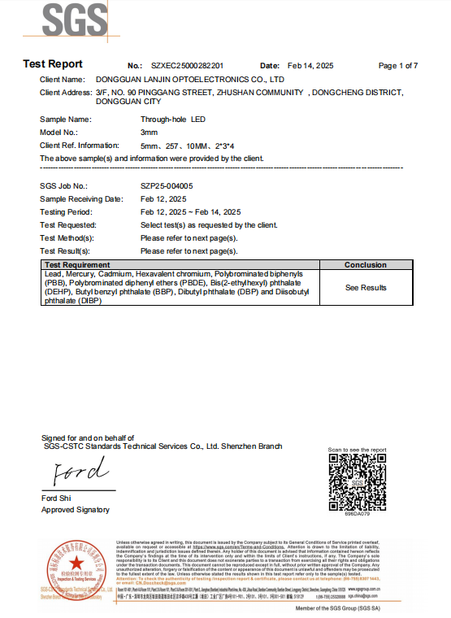
Certification
China Dongguan Lanjin Optoelectronics Co., Ltd. certification
I'm Online Chat Now
Company News
UVC LED Structure & Applications: Materials for Stable, Long-Lasting UV Disinfection
Latest company news about UVC LED Structure & Applications: Materials for Stable, Long-Lasting UV Disinfection

UVC LED Structure & Applications: Materials for Stable, Long-Lasting UV Disinfection

With growing public awareness of hygiene and disinfection, UVC LED disinfection solutions have become widely used across daily life and industries. A key challenge remains: high-energy UVC light can degrade common materials over time. How do we manufacture stable, long-lasting UVC LEDs for mass production?

In this article, we explain the material science behind reliable UVC light sources and how we engineer LEDs to resist UV damage.

Why UVC Light Affects Materials

Ultraviolet (UV) light carries much higher photon energy than visible light. Long-term exposure causes material degradation, discoloration, and structural damage — similar to how sunlight ages plastic and fabrics.

UVC (200–280 nm) does not reach the Earth’s surface, as it is fully absorbed by the ozone layer. This means limited public research exists on UVC-induced material degradation. As UVC disinfection grows popular, understanding UV resistance is critical for product lifespan and reliability.

How UVC Interacts With Key Materials

We analyze four core material categories to design superior UVC LEDs:

1. Metals

Metals have a strong metallic lattice structure with free-moving electrons. These electrons safely absorb UV photon energy without bond damage or decay.

Result: Metals are nearly unaffected by UVC exposure.

2. Ceramics

Ceramics (including oxides, nitrides, and borides) feature strong ionic and covalent bonds. They are chemically inert, heat-resistant, and highly stable.

Result: Ceramics are fully immune to UV degradation.

3. Quartz

High-purity quartz (SiO₂) is critical for UVC LEDs because it transmits UV light efficiently. Minor impurities or structural defects may reduce light transmittance over time.

Result: High-quality quartz delivers stable UV transmission and long-term performance.

4. Polymers

Polymers consist of long molecular chains with weak covalent bonds. High-energy UVC photons break these bonds, causing rapid aging, yellowing, and failure.

Result: Most polymers degrade quickly under UVC.

Our Advanced UVC LED Design for Mass Production

Using UV-resistant materials and precision engineering, we have developed a mass-producible UVC LED structure that maintains strong disinfection performance and long life:

  • Aluminum Nitride (AlN) Ceramic Bracket + Gold Plating: Blocks UV degradation, improves heat dissipation, and extends lifespan.
  • Ceramic Base + Anti-UV Polymer Filling: Prevents UV penetration, protects internal solder joints, and boosts stability.
  • High-Transmittance Pure Quartz Lens: Resists UVC, maximizes light output, and filters harmful impurities.

By selecting inherently UV-stable raw materials and optimizing production processes, we deliver reliable, long-lasting UVC LEDs ideal for large-scale disinfection applications.

Final Note

When properly engineered with UV-resistant materials, UVC technology becomes safe, durable, and highly effective. With the right design and material choices, UVC disinfection will continue to benefit homes, businesses, and public health worldwide.

Pub Time : 2026-04-22 16:30:35 >> News list
Contact Details
Dongguan Lanjin Optoelectronics Co., Ltd.

Contact Person: Miss. Ava Huang

Tel: +86 18819512052

Fax: 86-0769-89616935

Send your inquiry directly to us (0 / 3000)